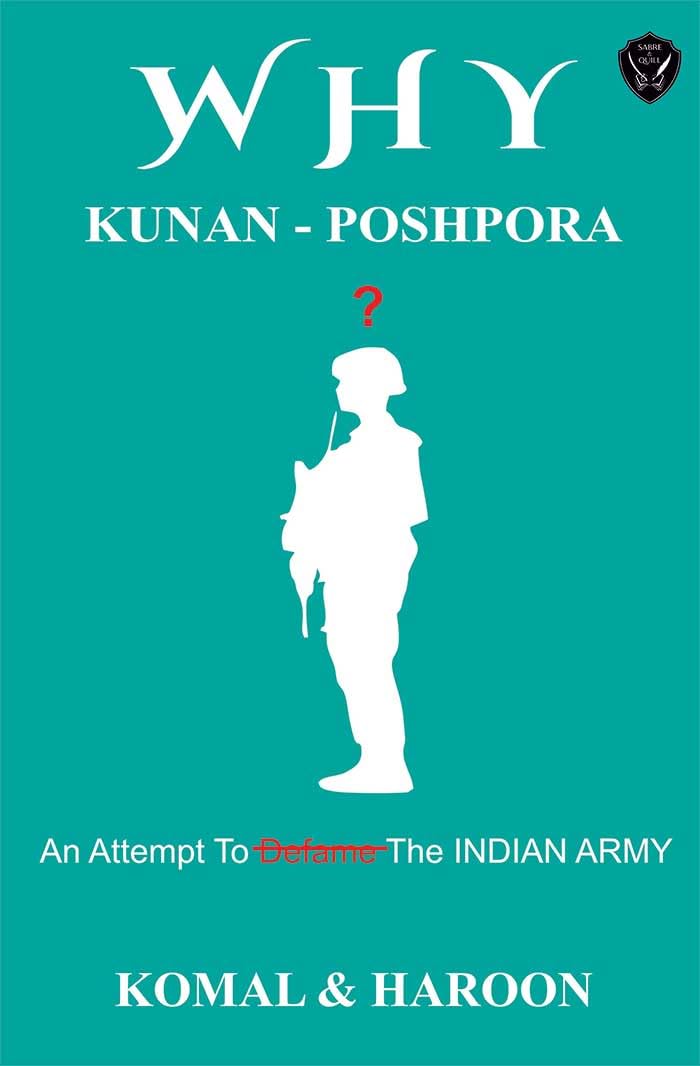
Why Kunan-Poshpora?
On the night of February 23-24, 1991, the 4th Rajputana Rifles unit of the Indian Army received information that militants might be present in Kunan village. Acting on this intelligence, the Army launched a cordon-and-search operation in Kunan village. However, after the operation was completed, shocking allegations emerged that the Indian Army had raped several women from Kunan and Poshpora villages. This claim spread rapidly, reaching not only national and international media but also various human rights organisations, from the National Human Rights Commission to state-level bodies.
The most surprising aspect of this incident is the inclusion of Poshpora village in the reports, despite the fact that the search operation took place solely in Kunan village. When the Army conducted the operation, they followed standard protocol and had residents sign a No Objection Certificate (NOC) once the search was completed.
Even if we consider the possibility that the Army might be lying, there is still a glaring question: the people of Poshpora, who are direct witnesses, have stated that nothing happened in their village that night. They confirm that the operation took place only in Kunan. So, if Poshpora was not involved, why was it included in the reports at all?
This raises a crucial point—could the inclusion of Poshpora in such a large-scale propaganda be a deliberate attempt to defame the Indian Army? It seems likely that terrorists played a psychological game, attempting to tarnish the image of the Indian Army and spread hatred among the people. And unfortunately, to some extent, they succeeded.
This book compels the reader to understand the incident in its true light and to analyse whether it was even possible for such heinous acts to have occurred at the hands of the Indian Army on that fateful night. The objective is to present the truth and give a voice to those who were misrepresented in the narrative.
- Select Book FormatSelect Book Format
- Quantity